Similar Posts

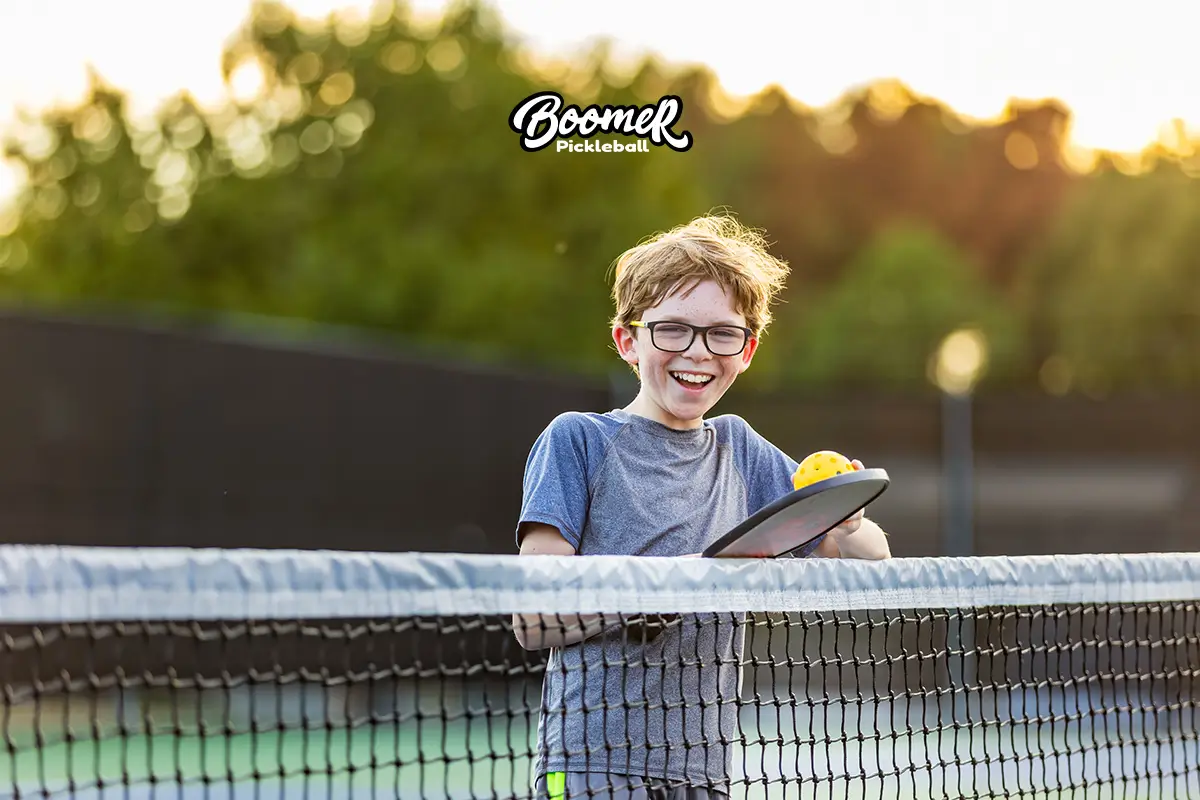
If there’s one sport making waves across all age groups, it’s pickleball. What started as a backyard pastime has quickly evolved into one of the fastest-growing sports in the country. You’ll find pickleball courts popping up in neighborhood parks, recreation centers, and retirement communities.
Pickleball is also revolutionizing physical education (PE) programs. Schools are recognizing its potential to engage students of all skill levels and encourage them to stay active. It’s an opportunity to build skills, foster teamwork, and introduce kids to a lifelong activity they can enjoy with friends, family, or solo.
In this post, we’ll explore all the reasons why pickleball activities for PE deserve a permanent spot in school programs. Let’s dive in.
Pickleball is Easy to Learn
One of the biggest challenges in PE is getting kids to try something new without feeling intimidated. Not every student is going to master a sport like basketball or volleyball right away.
But pickleball is different. The rules are simple, and the pickleball equipment for schools is easy to handle. The smaller court size and slower-paced ball make it less overwhelming than traditional sports like tennis. Most kids can pick up the basics in one class.
It’s Perfect for All Ages and Abilities
In a typical PE class, you’ll have a mix of kids—some who excel at sports and others who dread them. Pickleball levels the playing field.
Because the sport is all about strategy and placement, everyone has a chance to shine. Even kids who might not feel confident in traditional sports can hold their own on the pickleball court.
Additionally, pickleball activities for PE can be easily adjusted for students with physical limitations or disabilities. The sport is versatile enough to work for nearly everyone.
It’s Affordable
Most schools don’t have exorbitant budgets for their PE programs. Pickleball equipment for schools is a budget-friendly solution. A set of paddles, balls, and portable nets costs significantly less than equipment for many other sports. Plus, it’s durable, so it’ll last for years with proper care.
As for space, you don’t need a full-sized tennis court to play. Pickleball courts are much smaller and can be set up in gymnasiums, blacktops, or multipurpose rooms. Schools with limited outdoor space can still incorporate pickleball activities for elementary PE programs—something that isn’t feasible with larger field sports.
It Promotes Teamwork and Social Skills
Pickleball can be played as singles or doubles, but doubles is where the magic happens for PE programs. Pairing up students encourages teamwork and communication. They’ll learn how to strategize, support each other, and celebrate wins as a team—all skills that carry over into everyday life.
It also helps build camaraderie among classmates. Pickleball is inherently social; players chat between points and cheer each other on. For students who struggle to connect with peers, pickleball activities for PE foster friendships in a natural, low-pressure way.
It Gets Kids Moving Without Overwhelming Them
ickleball strikes the perfect balance between exercise and fun. The game keeps kids active, but it’s not so intense that it leaves them gasping for air.
The movements in pickleball activities for elementary PE—like short sprints, quick pivots, and controlled swings—offer a great cardio workout while improving coordination and agility. It’s fast-paced enough to keep kids engaged but doesn’t require the endurance of sports like soccer or track. In short, pickleball is a great fit for students who aren’t big fans of high-intensity activities.
There’s Minimal Risk of Injuries
Although all sports come with some risk, pickleball is relatively low-impact. The smaller court reduces running distance, and the lightweight ball is less likely to cause injuries compared to heavier equipment in sports like baseball or football.
PE teachers can also adapt the game further to prioritize safety, like using foam balls for younger kids or setting no-volley zones to reduce collisions. It’s a win-win: students stay active without worrying too much about getting hurt.
It Builds Lifelong Habits
One of the goals of PE is to introduce kids to activities they can carry into adulthood. Pickleball fits the bill perfectly. It’s a sport that people of all ages enjoy, so students can continue playing long after they’ve left school. By giving kids a taste of pickleball now, schools are setting them up with a hobby that promotes health and wellness for years to come.
Also, when students see their parents or grandparents play pickleball, they’ll be more inclined to join in. Bridging generational gaps through a shared activity makes it even more appealing.
It’s Trendy and Growing Fast
Pickleball isn’t just a passing fad—it’s here to stay. Introducing pickleball in schools lets educators keep students engaged with a sport that’s relevant and popular.
This trendiness also helps spark excitement. Since kids love being part of something “new” and trendy, pickleball’s popularity can be a great way to get them hyped about PE. Instead of groans about another dodgeball day, you might hear cheers when pickleball is on the schedule.
How to Introduce Pickleball to Your PE Program
Here’s how you can get started on bringing pickleball to your school.
Invest in Basic Equipment
Pickleball gear for schools doesn’t have to break the bank, especially if you focus on the best pickleball gear for beginners. Start small with a few paddles, balls, and portable nets. Look for budget-friendly sets online or through school suppliers.
Train Your PE Teachers
Offer training sessions or resources for teachers to learn the basics of pickleball. The simpler the introduction, the more successful it will be.
Set Up Your Courts
You don’t need a full-blown pickleball facility. Mark out temporary courts using tape or chalk on existing gym floors or blacktops.
Start with the Basics
Focus on teaching the rules and basic skills. Keep the first few sessions light and fun to get kids hooked.
Encourage Ongoing Play
Once students are familiar with the game, incorporate it regularly into your PE curriculum. Consider hosting tournaments or after-school pickleball clubs to keep the excitement alive.
Conclusion
Pickleball checks all the boxes for a modern PE program. It’s affordable, inclusive, and fun, with physical, mental, and social benefits that extend far beyond the gym. We hope this post has inspired you to add pickleball to your PE curriculum!
Ready to bring the excitement of pickleball to your school? Boomer Pickleball has everything you need to get started—high-quality paddles, durable balls, and expert tips to help kids learn and love the game. Visit our website or contact us today to find the best pickleball equipment for schools!
How to Integrate Crowd Management Solutions from Day One for Pickleball Courts

5 Common Pickleball Injuries: How Court Managers Should Prepare Their Facility and Staff for Player Safety
How Can Quiet Pickleball Balls Enhance Indoor Play in Recreation Centers?

What Are the Benefits of Custom Paddle Racks for Pickleball Tournaments?