
Similar Posts
Pickleball has quickly become one of America’s favorite pastimes. According to the Sports and Fitness Industry Association (SFIA), participation has increased by nearly 311% over the last three years.
To meet this growing demand, recreation centers across the country are adding new courts. Yet as the sound of paddles hitting plastic fills indoor gyms, many facility managers are realizing that pickleball can bring more noise than expected.
In multi-use centers and community gyms, that sharp pop can interrupt nearby classes, office spaces, or social events. For this reason, many managers are now looking for practical ways to reduce the noise without cutting back on playtime.
That’s where quiet pickleball balls come in. Also known as foam or low-noise balls, these softer alternatives offer a simple way to reduce sound while maintaining the same fun and pace of play. Let’s look at how they can enhance indoor pickleball and make facility management smoother for everyone.
Why Noise Control Matters in Indoor Pickleball Facilities
Indoor pickleball brings people together, but it also amplifies one of the sport’s biggest challenges: noise. The sound of a hard plastic ball striking a paddle can reach 70–90 decibels, which is similar to a vacuum cleaner or busy traffic. In an enclosed gym, that sound bounces off walls and ceilings, creating echoes that travel well beyond the court.
For recreation centers that share space with group fitness classes or meeting rooms, this can create constant background noise that affects concentration and comfort. Even when courts are isolated, loud play can disrupt other programs, limit scheduling flexibility, and lead to noise complaints from neighboring properties.
Excessive noise does more than inconvenience people. It shapes how they perceive your facility. Recreation centers that take steps to reduce sound demonstrate a commitment to player comfort and community harmony.
What Are Quiet Pickleball Balls?
Unlike traditional hard plastic balls, quiet or low-noise pickleball balls use softer materials and adjusted designs that dampen the impact sound when they hit paddles or court surfaces. This makes them ideal for environments that need to maintain a comfortable sound level throughout the day.
Here’s what sets them apart:
- Material: Most quiet pickleball balls are built with lightweight EVA or polyurethane foam, which absorbs vibration and mutes the sharp “pop” of standard balls.
- Design: Low-noise pickleball balls have fewer or no holes, reducing air resistance and producing a quieter, softer hit.
- Size and weight: Foam balls closely match the dimensions of standard pickleballs while generating significantly less noise.
- Durability: Best suited for indoor play on gym floors or other smooth surfaces, quiet balls maintain consistent bounce and form with regular use.
Performance note: Because they lack the hollow structure of outdoor pickleball balls, foam balls may show a slight curve in flight. Even so, many pickleball quiet balls provide an impressively close substitute for areas that require lower noise levels.
Benefits of Quiet Pickleball Balls for Indoor Recreation Centers
Here are some of the key benefits court owners and facility managers can expect from switching to quiet pickleball balls:
1. Lower Noise Levels
Foam pickleball balls significantly cut down on the sound that travels through walls and ceilings. This helps maintain a more comfortable environment for other activities and reduces the risk of complaints.
2. Greater Scheduling Flexibility
With less noise to manage, facilities can host pickleball games alongside fitness classes, meetings, or youth programs without disruption. That means more consistent court usage and a smoother daily schedule.
3. Enhanced Player Comfort
Quieter play creates a calmer atmosphere where players can focus on the game instead of the background noise. This can be especially beneficial in beginner clinics, senior programs, or wellness-focused environments.
4. Positive Community Perception
Facilities that invest in sound management demonstrate attentiveness to their members and neighbors. As such, reducing noise can help recreation centers maintain a positive reputation.
5. Long-Term Value
Because quiet pickleball balls are designed for controlled indoor play, they tend to last longer in gym environments. The reduced impact on equipment and surfaces can also lower maintenance costs over time.
Comparing Quiet vs. Standard Pickleball Balls
Before switching to quiet pickleball balls, it helps to understand how they differ from standard options. Here’s a quick comparison to guide your decision:
| Feature | Quiet Pickleball Balls | Standard Pickleball Balls |
| Material | Soft polyurethane or EV foam | Hard plastic (typically smooth, seamless) |
| Sound Level | Low-noise impact, ideal for shared spaces | Sharp, high-pitched “pop” sound |
| Durability | Moderate: best for indoor use | High: built for competitive play |
| Ball Flight | Slightly curved, softer bounce | Faster, truer trajectory |
| Ideal For | Recreation centers, schools, and community gyms | Outdoor courts, tournaments, and competitive leagues |
| Play Experience | Softer, quieter, more forgiving | Faster-paced and louder |
For many indoor recreation centers, quiet pickleball balls strike the perfect balance between playability and practicality. They deliver a satisfying game experience without the acoustic challenges that come with traditional plastic balls.
How to Choose the Right Quiet Pickleball Balls
Not all quiet pickleball balls perform the same. When selecting the best option for your facility, focus on:
Material and Construction
The quietest pickleball balls are typically made from polyurethane foam, which absorbs vibration and impact noise far better than hard plastic. High-quality foam maintains its shape and bounce while producing a softer, more controlled sound.
Size and Weight
Look for quiet balls that closely match standard pickleball dimensions. Models measuring about 2.9 inches in diameter and weighing 26 grams provide a realistic playing feel and help players transition easily from outdoor to indoor play.
Durability and Visibility
Choose balls designed for consistent indoor use. Brightly colored foam models offer strong visibility under gym lighting and maintain reliable bounce with regular play on smooth surfaces.
Create a Better Indoor Pickleball Experience with Boomer Pickleball
Managing a recreation center means balancing activity, comfort, and community satisfaction. Switching to quiet pickleball balls is a simple way to achieve all three.
At Boomer Pickleball, we understand the challenges of indoor play. That’s why our (Shhh) Quiet Foam Pickleballs are designed with the same size and weight as standard pickleballs, giving players a familiar feel with a much quieter sound. Whether you’re upgrading a few courts or managing an entire complex, they’re an easy and effective pickleball noise reduction solution.
Explore our lineup of pickleball balls and accessories or reach out to our team for recommendations tailored to your facility’s needs.

Facility Buyer’s Checklist: Outfitting Pickleball Courts with the Right Equipment
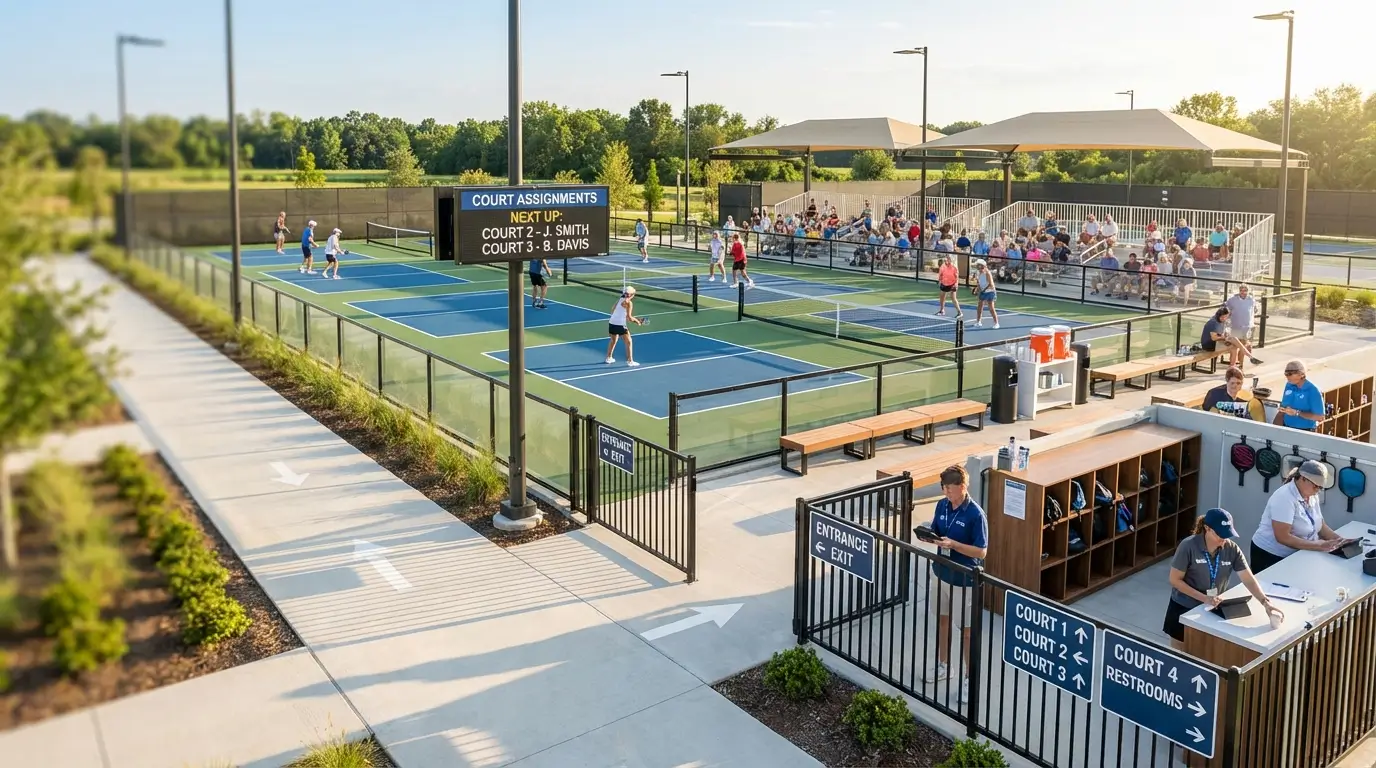
How to Integrate Crowd Management Solutions from Day One for Pickleball Courts

5 Common Pickleball Injuries: How Court Managers Should Prepare Their Facility and Staff for Player Safety
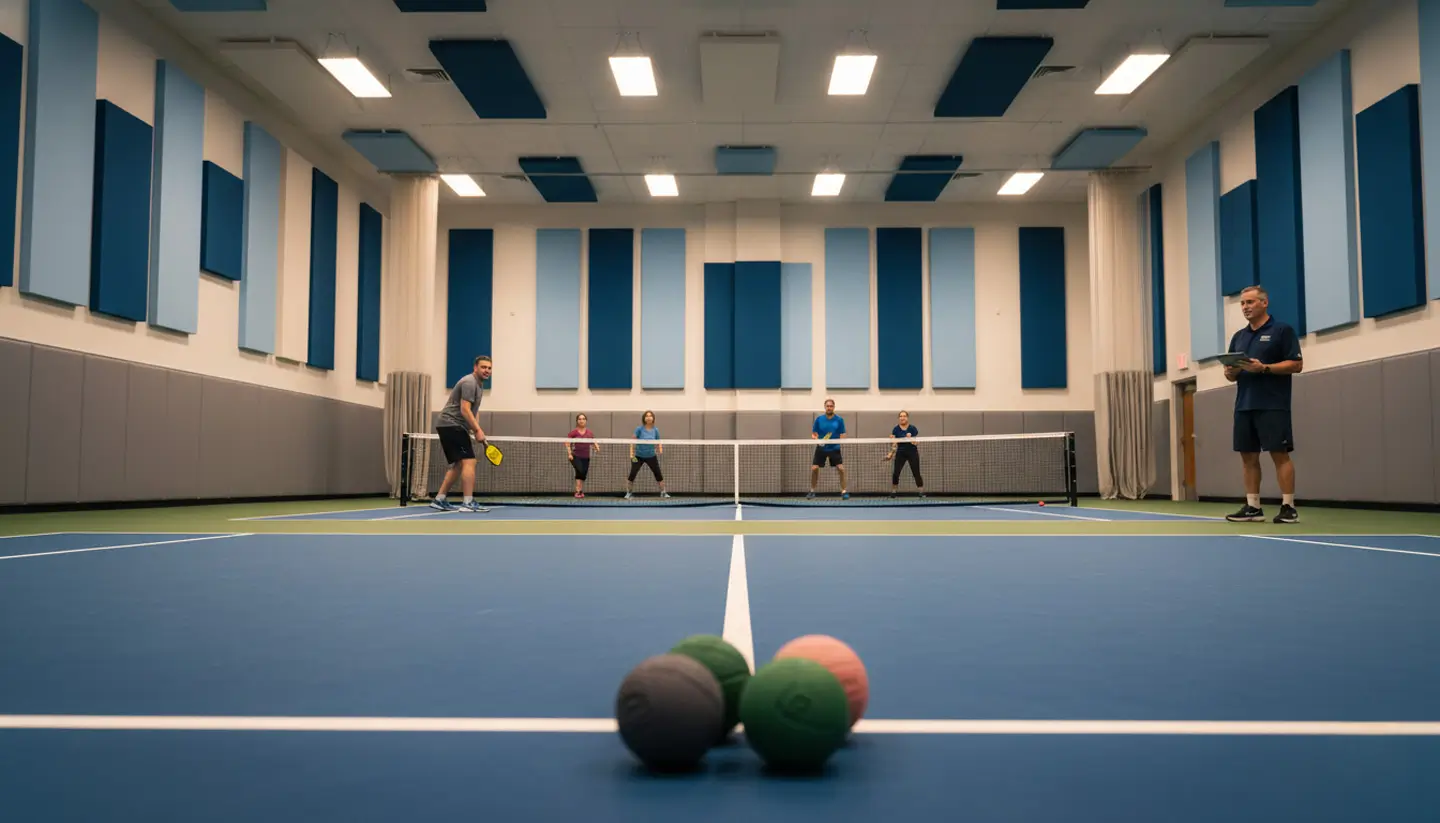
How Can Quiet Pickleball Balls Enhance Indoor Play in Recreation Centers?
